China's music industry experts are calling for broader copyright licensing to tackle market barriers, excessive fees and disguised exclusivity.
Music rights holders and platforms in China should license content more widely to address continuing barriers to its use and distribution, experts told an industry forum.
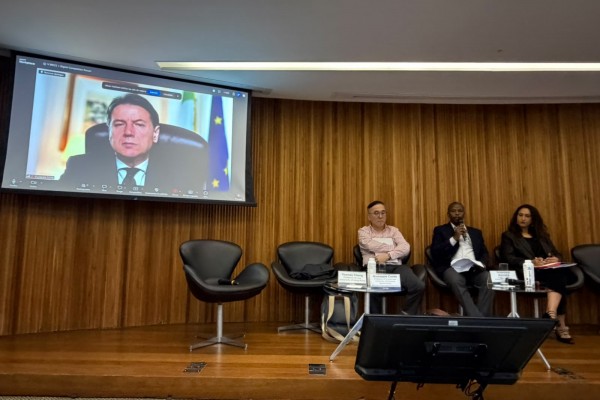
The calls came at a music copyright seminar held Thursday during the China Digital Music Industry Conference in Xiamen, according to articles by the China Audio-video and Digital Publishing Association's digital music committee and NetEase Cloud Music.
Speakers highlighted refusals to license, arrangements described as “disguised exclusivity” and excessive licensing fees as continuing concerns despite the shift toward nonexclusive licensing.
China's digital music market was valued close to 231.9 billion yuan ($34.8 billion) in 2025, up 9.7 percent from a year earlier, according to a report released alongside the conference.
Duan Yuping, a former deputy head of China's copyright administration bureau, said licensing remained problematic between rights holders and collective management organizations, between rights holders and platforms, and among platforms.
Music generates value and revenue for rights holders through dissemination, she said. Licensing fees exceeding what platforms' business models can sustain would ultimately hurt both sides.
Li Tao, an associate professor at the Central University of Finance and Economics' law school, said practices including exclusive authorization to enforce copyright and refusals to deal had emerged as forms of “disguised exclusivity.”
Li proposed improving collective management organizations' governance and transparency, refining procedures for negotiating and challenging licensing rates, and exploring mandatory collective management to lower transaction costs and reduce refusals to deal.
Wang Xuan, a researcher at the competition law center of the University of International Business and Economics, said a platform's competitive strength depends on which must-have songs it controls, rather than catalog size alone.
Wang called for antitrust intervention against suspected abuses involving refusals to license, unfairly high prices and de facto exclusivity. Collective management could also support broader licensing, he said.
The concerns follow earlier warnings from the China Audio-Video Copyright Association. In 2025, its then vice president and director general, Zhou Yaping, said China's music-streaming giants were rebuilding de facto exclusivity through label acquisitions that integrate content and distribution, and through nonexclusive licensing paired with copyright-enforcement arrangements that function like exclusivity.
Zhou had called in 2023 for tighter scrutiny of platforms' vertical acquisitions, including potentially anticompetitive deals below notification thresholds.
Source: MLex