The Brazilian competition authority has imposed 136 million reais ($23.4 million) in fines on OAS, Delta and three individuals over bid-rigging involving five stadium projects for the 2014 FIFA World Cup.
The Brazilian competition authority has held construction firms OAS (now Coesa) and Delta (now Salgueiro) and three individuals liable for participating in a cartel that rigged public tenders related to work at stadiums used for the 2014 FIFA World Cup in Brazil.
The Tribunal of the Administrative Council for Economic Defense (CADE) on Wednesday wrapped up its review of a case that had lasted 10 years. The lead councilor on the case, Camila Cabral Pires Alves, detailed that the probe involved an in-depth analysis, supported by several investigative measures and documents gathered over a decade.
In total, members of the authority’s collegial body agreed to impose 136 million reais ($23.4 million) in fines. Over the course of the investigation, other companies acknowledged their involvement in the collusive scheme and reached settlement agreements with CADE.
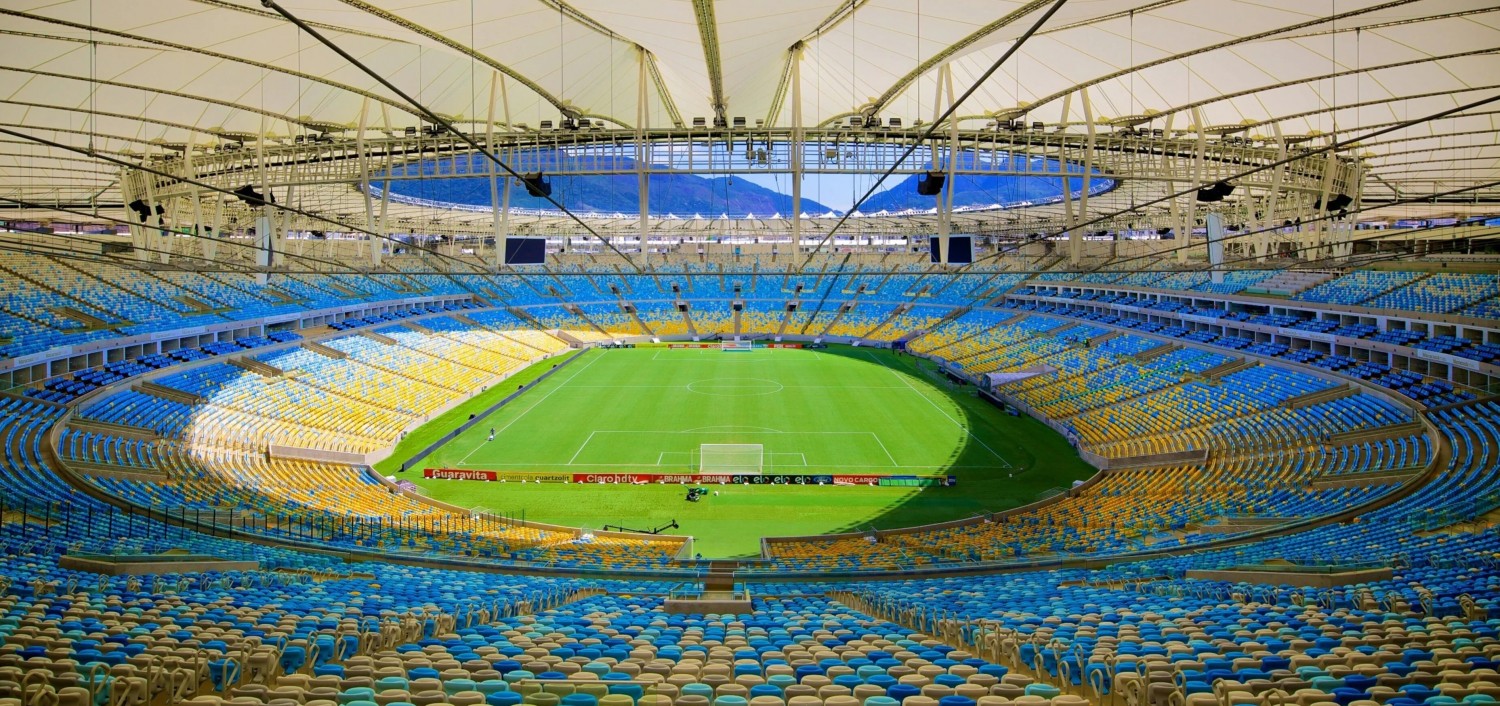
OAS and Delta, as well as their executives José Lunguinho Filho, Fernando Antonio Cavendish Soares and Marco Antonio Ladeira de Oliveira, were part of an arrangement that benefited from work at five stadiums: Mané Garrincha (Brasília), Arena Amazônia (Manaus), Arena Pernambuco (Recife), Maracanã (Rio de Janeiro) and Arena Castelão (Fortaleza).
According to Alves, one construction company could learn from another in which city it intended to focus its efforts. From June 2009 through mid-2011, Alves said, the discussions shifted to specific tenders, meaning that the number of companies involved and the structure of the arrangement varied depending on the project.
“The evidence reveals requests for cover bids, exchanges of information, and discussions aimed at accommodating companies either through consortia or potential subcontracting arrangements,” Alves said.
The conduct began in 2007, when Brazil was awarded the right to host the 2014 FIFA World Cup, and continued until 2011, according to CADE’s investigation. The cartel allocated markets, fixed prices and exchanged commercially sensitive information through multiple meetings at which participants agreed how to distribute shares of major public works projects. By way of illustration, the Brazilian government said in 2015 that the modernization of the Maracanã and Mané Garrincha stadiums had each cost more than 1 billion reais.
Ten-year investigation
The case stemmed from a leniency agreement entered into by CADE and Andrade Gutierrez in 2016.
Following the beginning of the investigation, other construction companies approached the Brazilian authority to seal settlement agreements. Grupo Odebrecht, Carioca Engenharia and Queiroz Galvão (now Alya), as well as 11 individuals, admitted to engaging in anticompetitive conduct and paid a combined 120 million reais in fines.
“Representatives of the companies discussed infrastructure projects related to the FIFA World Cup and exchanged information about potential investments and the companies’ ability to carry out major construction projects, including the stadium works planned for the tournament,” according to the investigation.
Alves’ vote was followed by Councilors Carlos Jacques Vieira Gomes and José Levi Mello do Amaral Junior. CADE’s acting president, Diogo Thomson de Andrade, was recused from voting.
According to Alves, the companies and individuals found liable must pay the fines within 30 days of the publication of the final, non-appealable decision in the case. CADE closed the investigation in relation to other companies and individuals.
Source: MLex